

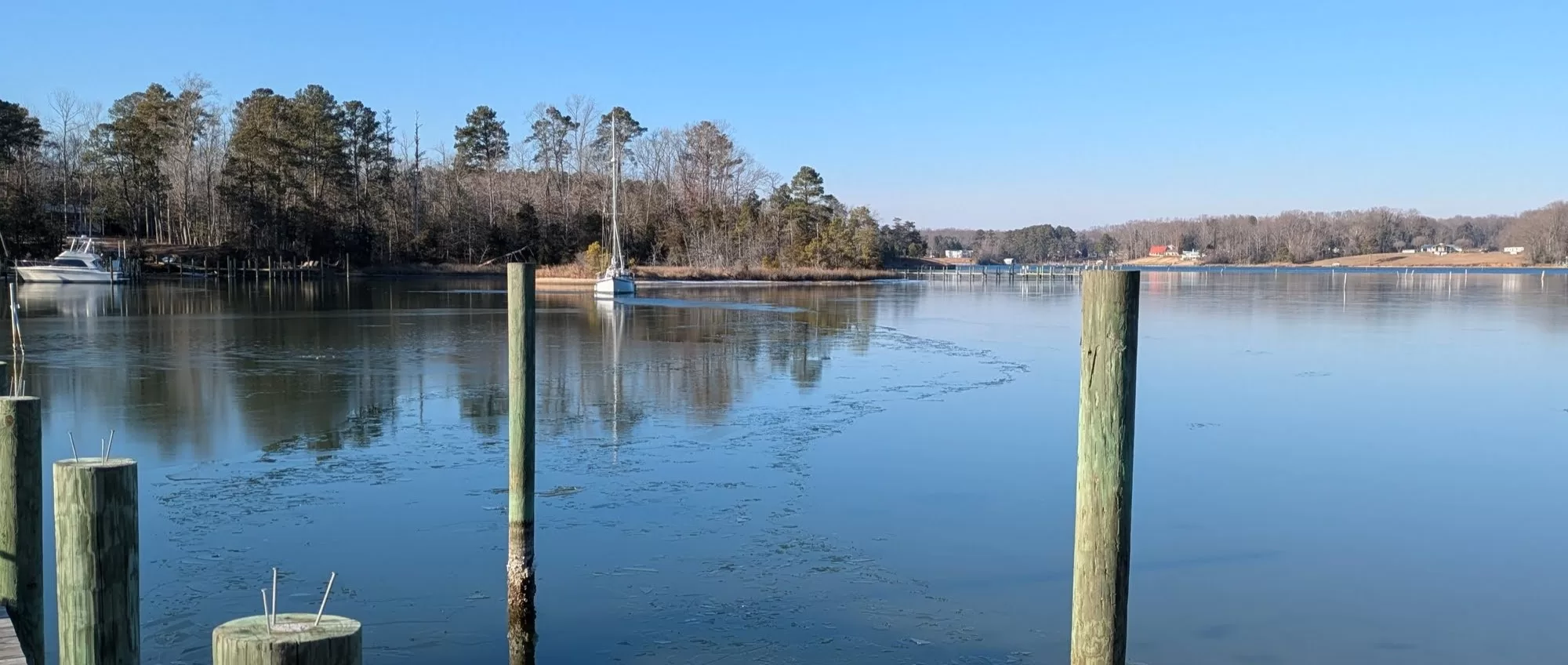
After making our way south from New England to Norfolk, Virginia, we start exploring the Chesapeake Bay and its many rivers and creeks and experience a white wonderland Rua Hatu has not seen since Washington State, five years and over 15,000 miles ago!
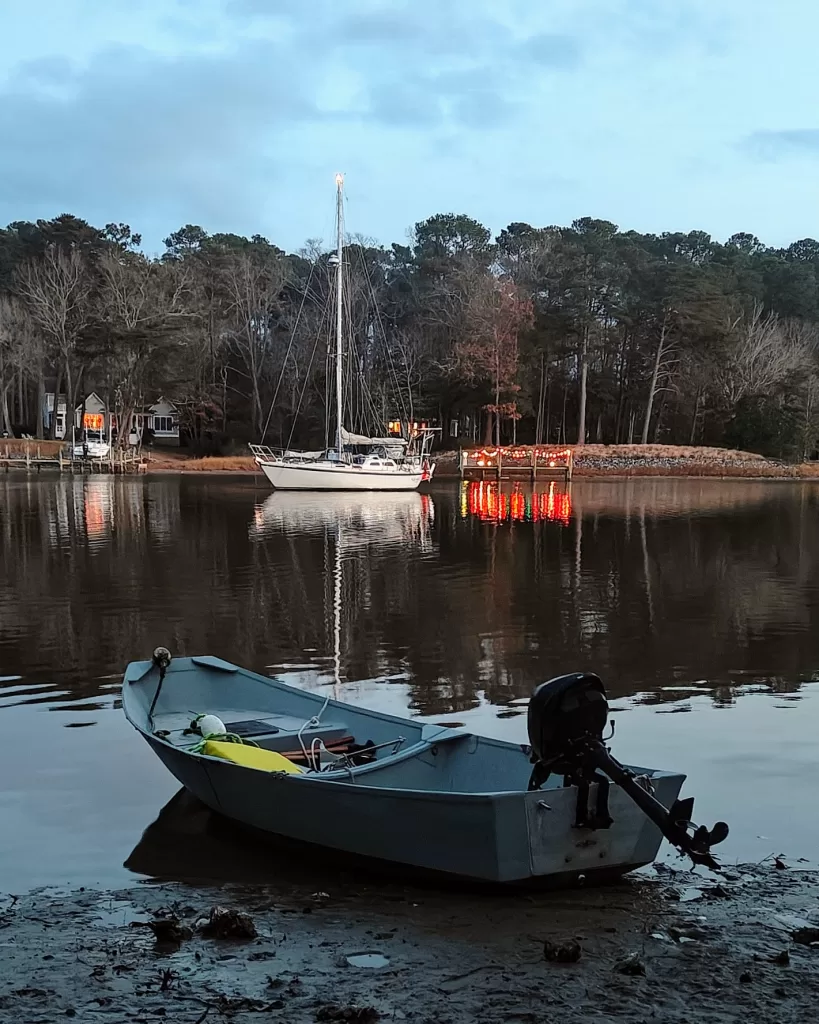
Once out of the hustle and bustle of the deep water channel, the Chesapeake becomes a wide, shallow, exposed bay full of shifting sand and currents. To escape from the northwest winds, we followed the western shore of the bay, periodically tucking into a creek or river to anchor in relatively calm conditions. We were impressed by how settled things were just a few miles off the rough, blustery bay. However nearly every inch of shoreline in these tributaries was private property, with homes and piers lining the waterfront everywhere we visited. Occasionally we found a marina that would let us go ashore to walk the dog, or improvised landing at a public boat ramp tucked between neighboring homes. The concept of public lands that we became so familiar with out west doesn’t really exist on the east coast, particularly in the state of Virginia.
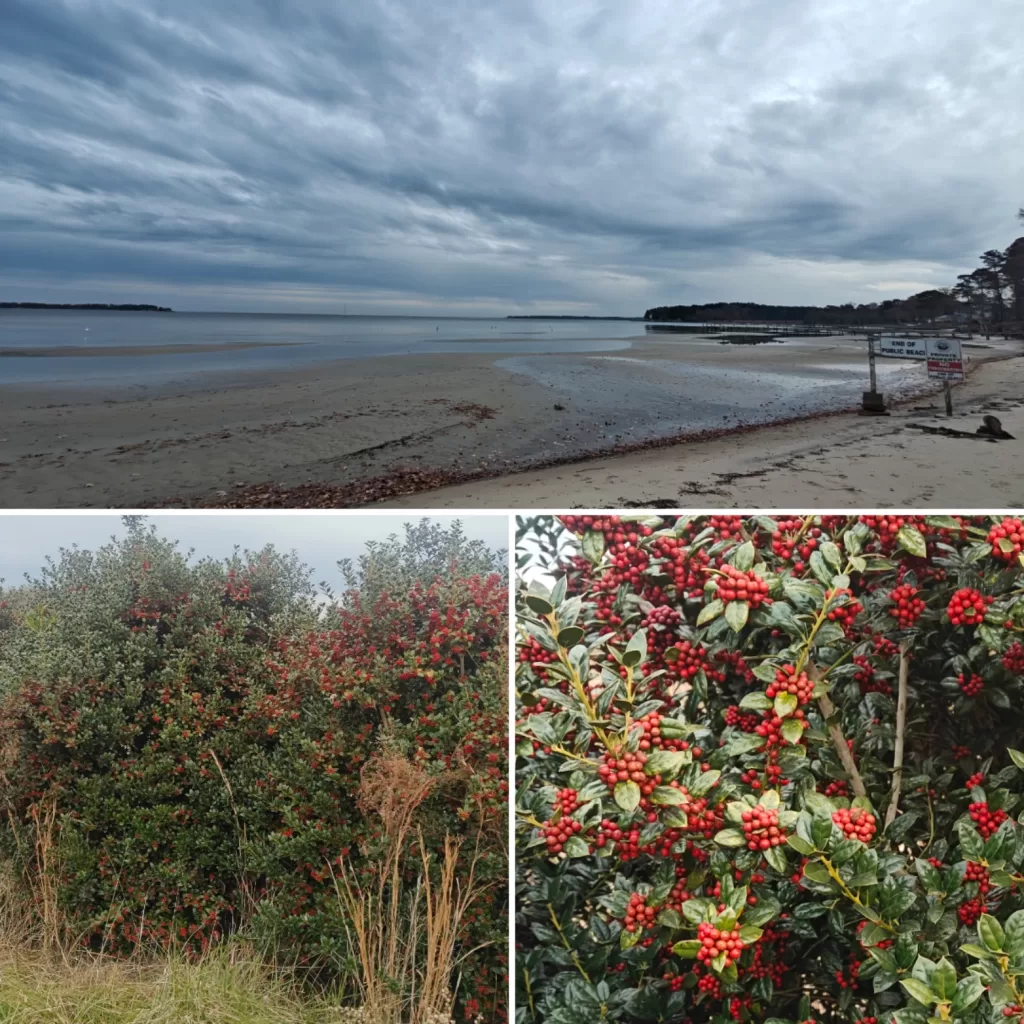
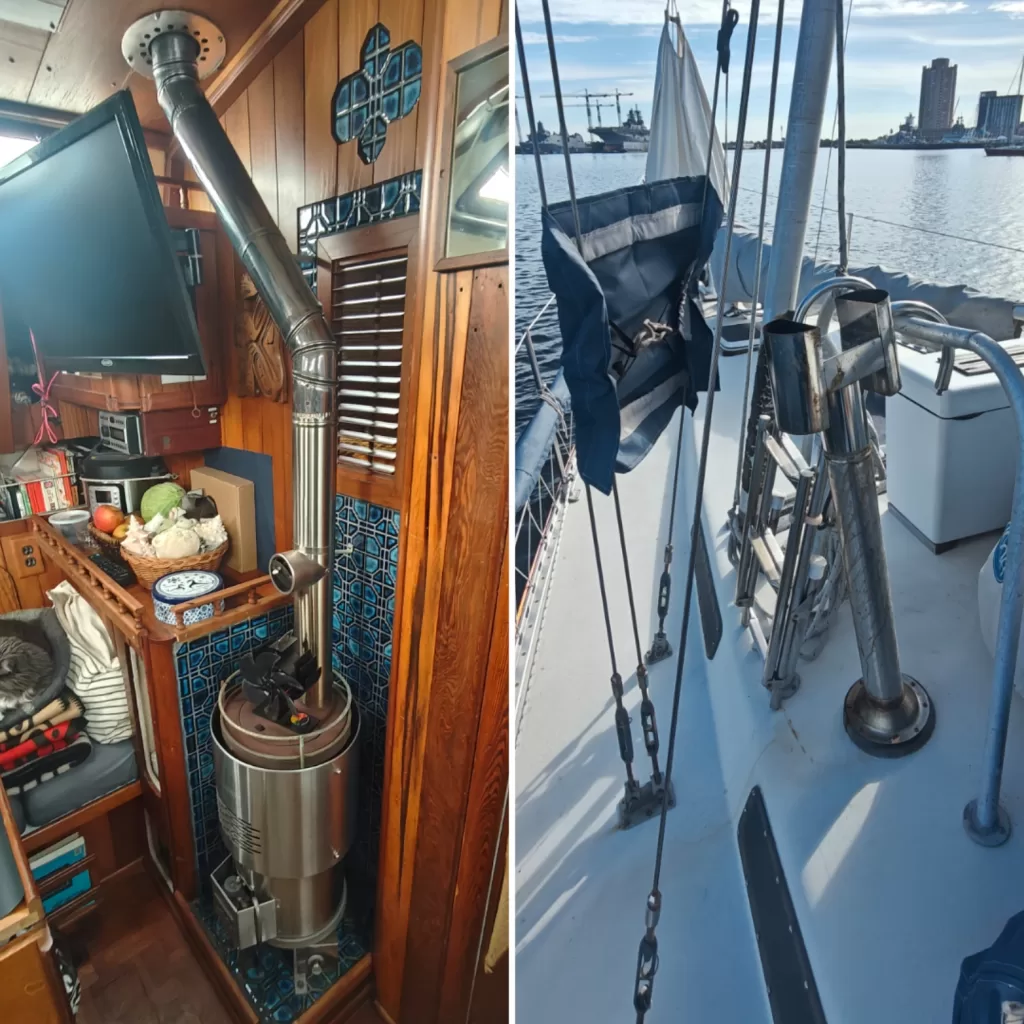
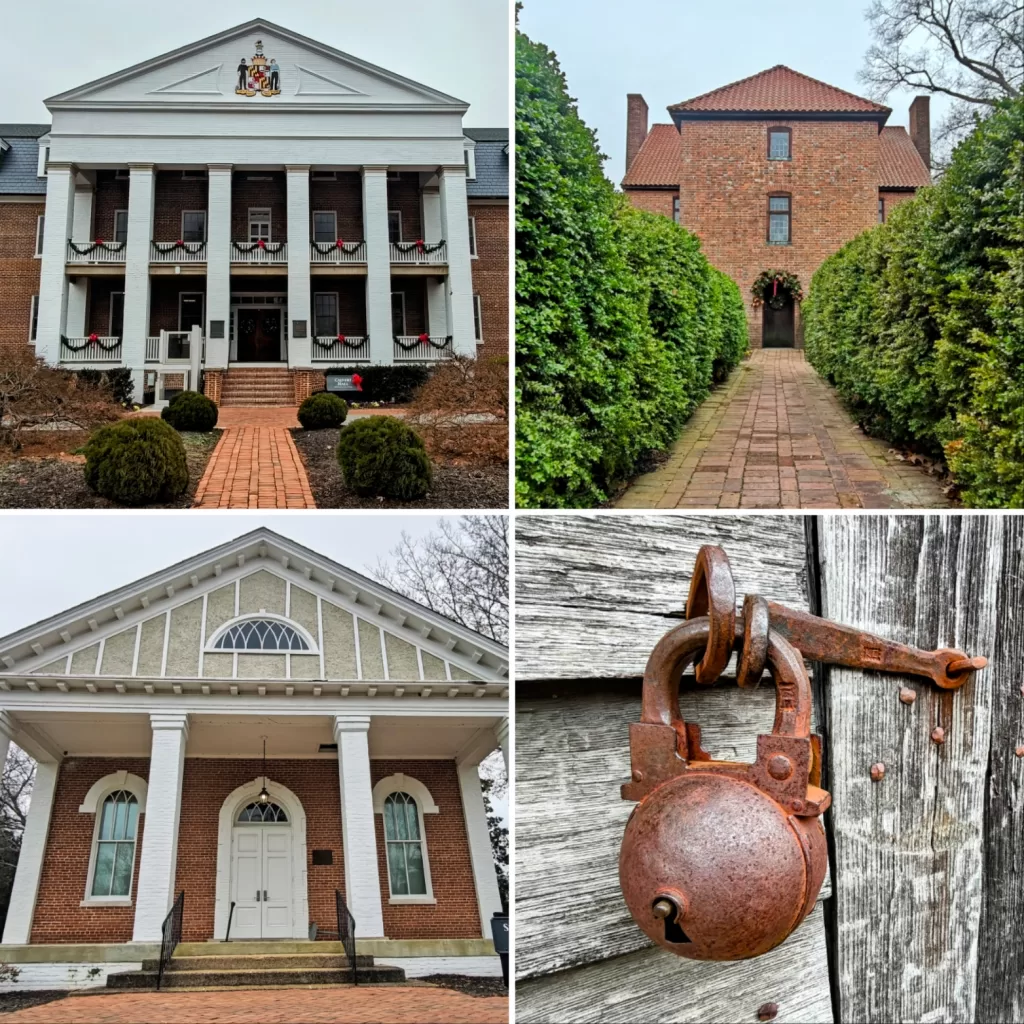
By the time we reached the Potomac River, temperatures routinely dipped below freezing at night and we began to use our trusty Dickinson Antarctic diesel-fired heater to keep warm. We spent Christmas tucked into a cove up St. Mary’s River, nearby the college campus of the same name. With students away for the holidays, we roamed the historic town that was once Maryland’s first, short lived capital city nearly alone. Fortunately, the local bus was still in service and we were able to resupply in the nearby town of California.
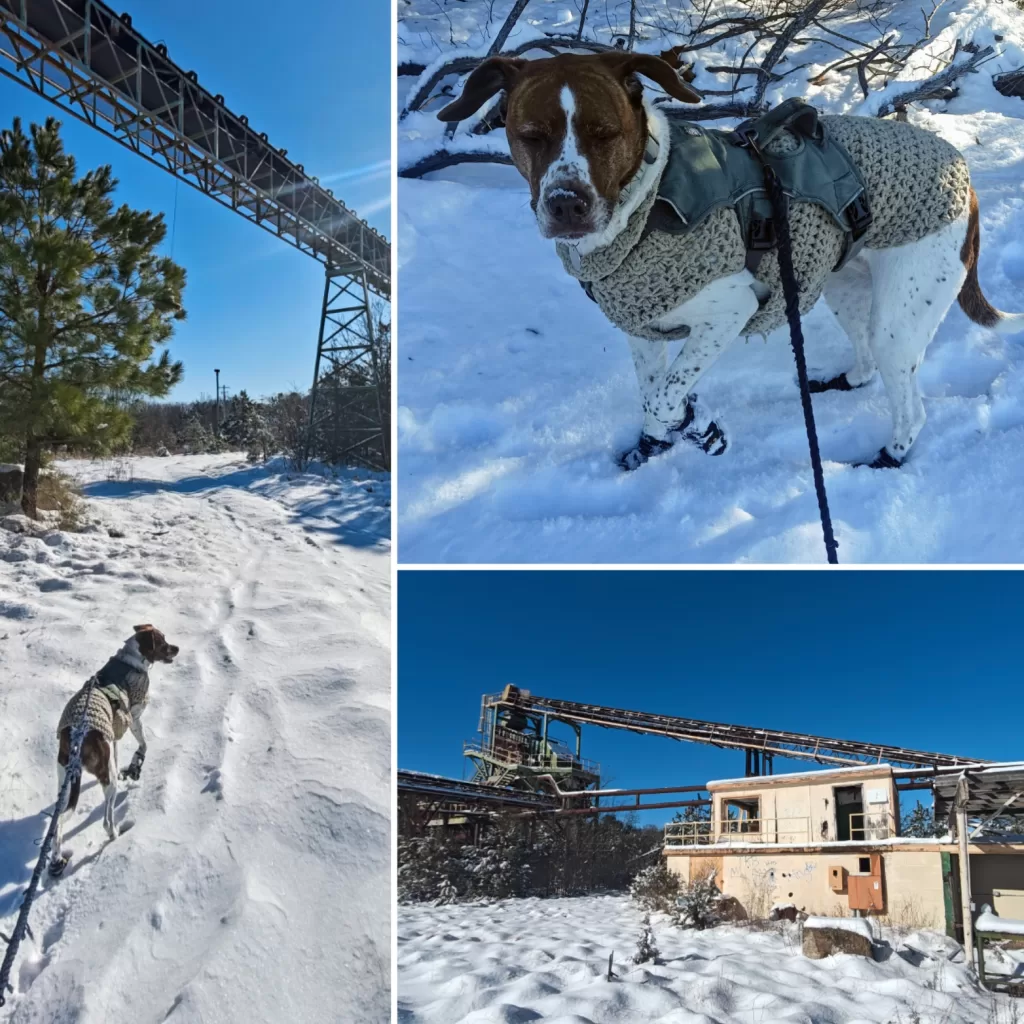
What’s that white stuff?
Farther up the Potomac, we pulled in to anchor near Leondardtown to resupply and celebrate the New Year. By this point in the season, we had experienced a few light snow flurries, but after a freak thunderstorm passed through on New Years Eve, the wind began to howl from the Northwest and snow began to fall in heaps all around us. By morning, nearly a foot of fresh powder blanketed the shoreline, as well as the docks, the beaches and even the boat. This first substantial snowfall would set the tone for the remainder of our winter in the Chesapeake.
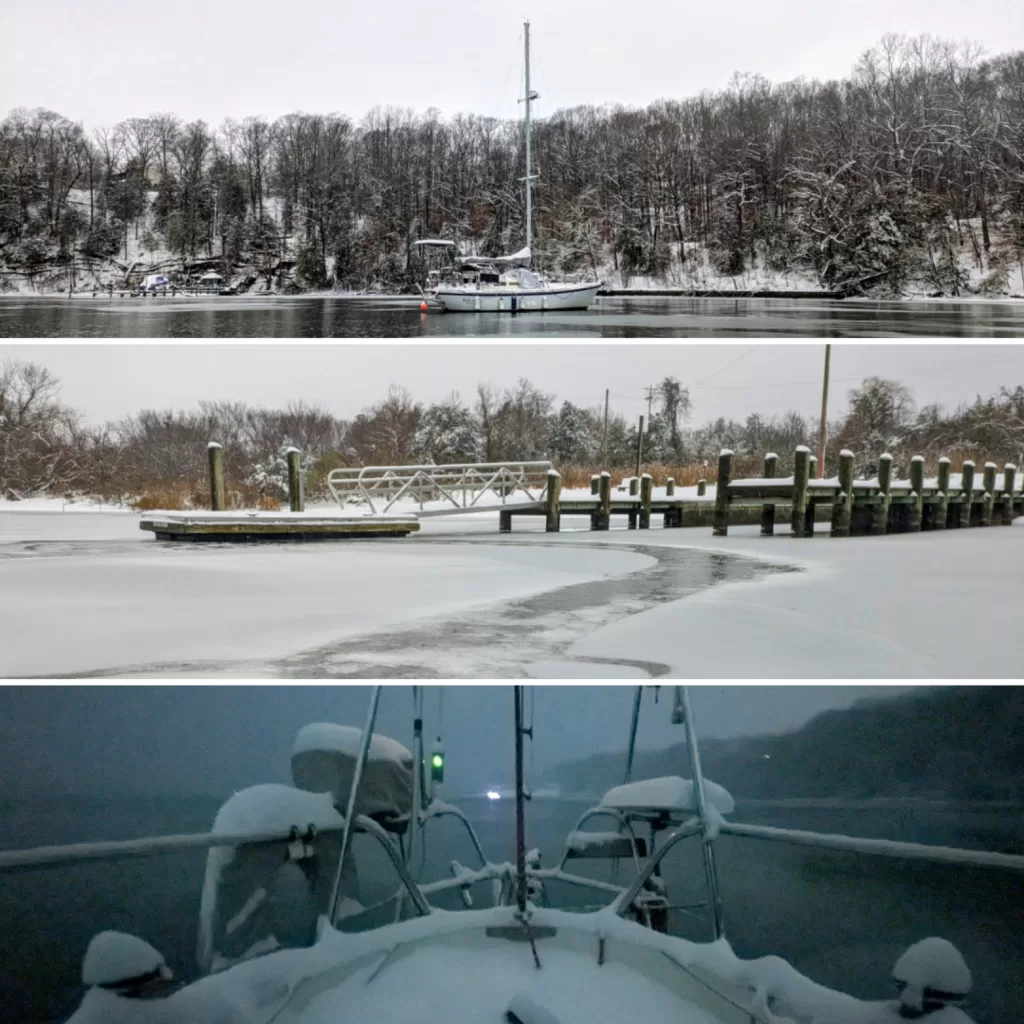
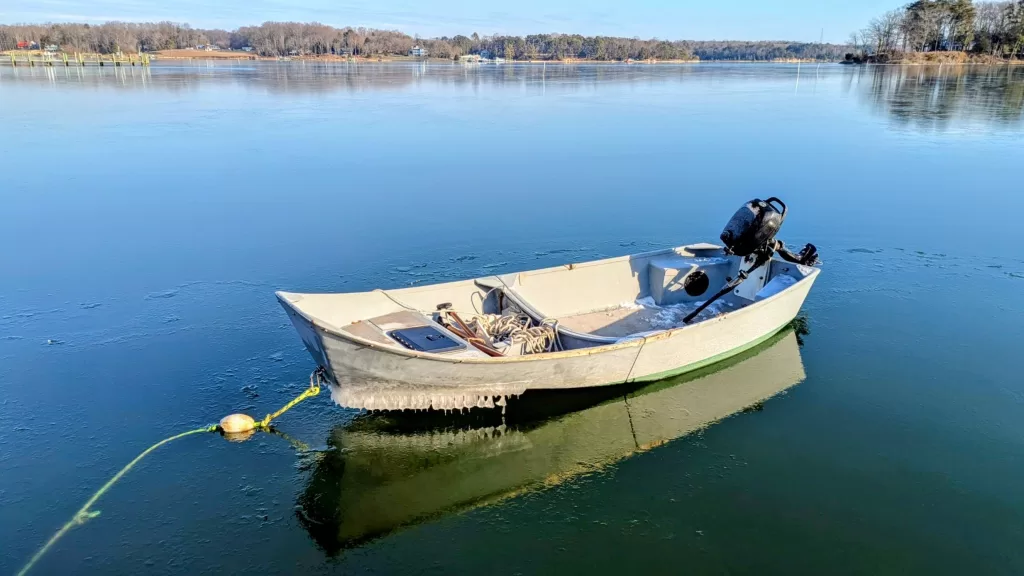
After returning to the Virginia side of the Potomac, temperatures had dropped low enough that ice began to form on the brackish waters of the creeks and rivers surrounding the bay. On several occasions, the ice tore at the bottom paint around our bow, leaving bare patches at the waterline. While Nic traveled to California to visit his parents in February, a particularly cold week of weather stranded Rua Hatu in approximately 1 inch while anchored. Unfortunately, the diesel heater began to sputter precisely as the temperatures dropped, and all of the fuel lines had to be hastily cleared by hand to keep from freezing onboard. Thankfully, we were anchored near a friend’s home and they helped immensely throughout the whole ordeal. In fact their entire neighborhood came to the rescue, offering help, tools, logistics and warmth! We were truly grateful for all of their hospitality during the cold winter.
After Nic returned from California, we quickly made plans to haul the boat out of the water nearby in Deltaville, VA to repair the damaged bottom paint as well as service the drive shaft before heading north in the spring. With fingers crossed for warm, dry weather, we headed into the lift to begin work on the many projects we hoped to accomplish while out of the water.